

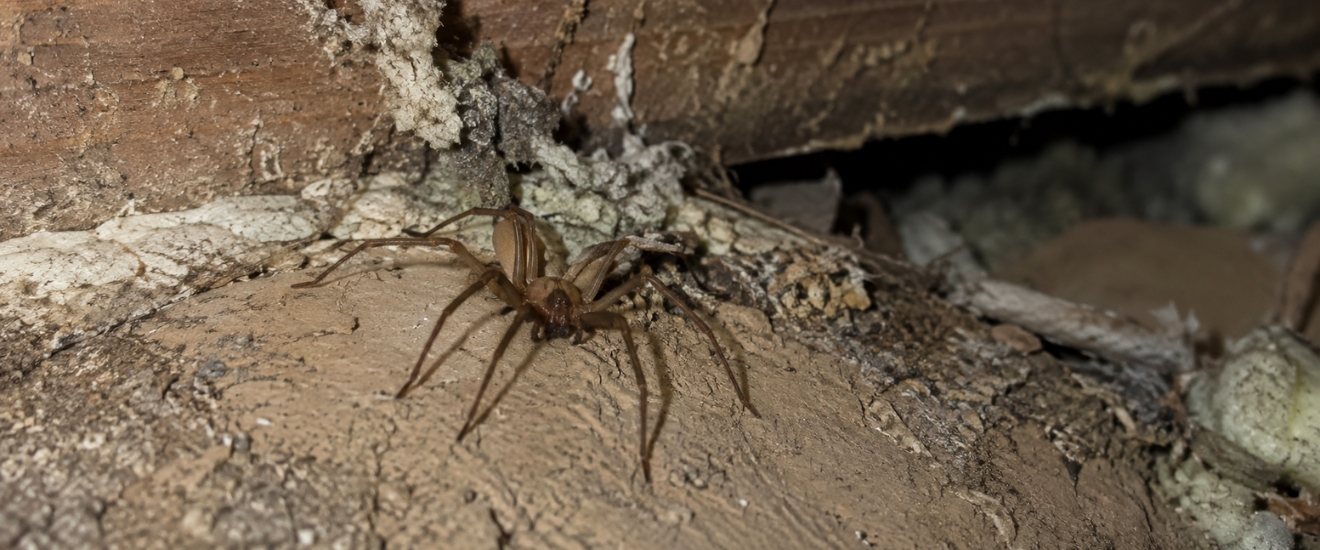
Basements and crawl spaces give spiders many of the conditions they need to settle into a Bloomington home. These areas stay relatively quiet, contain plenty of protected corners, and often provide access to the insects spiders eat. Foundation gaps, basement windows, vents, utility openings, and moisture can add to the problem. Professional spider control in Bloomington can help identify the species you are seeing and the conditions allowing spiders to remain in the lower levels of your home.
Quiet Areas Give Spiders Time to Settle
Every section of a basement receives a different amount of activity. A finished family room may be used daily, while the area behind the furnace, beneath the stairs, or around long-term storage can go untouched for months. Crawl spaces receive even less regular attention.
Spiders take advantage of these quiet locations. They can hide along floor joists, behind insulation, beneath shelving, around pipes, and in corners where cleaning tools rarely reach. Once they find an area with food and shelter, they may remain there for an extended period.
Regular inspection helps interrupt that pattern. Moving storage, vacuuming corners, and checking behind equipment makes it easier to spot webs, egg sacs, and insect activity before the area becomes a dependable spider habitat.
Basements Often Have a Steady Supply of Spider Prey
Spiders stay where they can find insects. Bloomington basements commonly attract crickets, beetles, centipedes, millipedes, silverfish, flies, ants, and other small pests that can serve as food.
These insects may enter through small foundation cracks, gaps around basement windows, worn door seals, or openings around utility lines. Some gather around damp areas, while others find their way indoors as outdoor conditions change.
Frequent crickets along the floor or beetles collecting near a window can help explain why wolf spiders and other hunting spiders keep appearing. Removing a few spiders may give short-term relief, but the area can continue attracting new ones when plenty of prey remains.
Web-building spiders often concentrate in other sections of the basement. Windows, light fixtures, ceiling corners, and places where flying insects gather can provide productive locations for webs.
Moisture Can Support a Larger Pest Population
Water problems in a basement or crawl space can increase insect activity. Damp soil, condensation, plumbing leaks, seepage through a foundation, and high humidity create conditions that many household pests prefer.
A crawl space with moisture may support insects beneath insulation, around wood framing, and along the soil. Spiders then have access to prey in an area that receives very little disturbance.
Basements can develop similar problems around floor drains, sump pumps, utility sinks, water heaters, and HVAC equipment. Even a slow plumbing leak can create a damp section that supports insects.
Check these areas regularly and address the source of the moisture. Outside the home, gutters and downspouts should move rainwater away from the foundation. Low spots near the house may also need attention if water regularly collects there after storms.
Reducing moisture can make the lower level less favorable for insects, which can gradually reduce the food available to spiders.
Foundation-Level Entry Points Are Easy to Miss
Basements and crawl spaces sit directly beside many outdoor spider habitats. Mulch, leaves, grass, garden beds, woodpiles, stones, and spaces beneath decks can all hold spiders and insects close to the foundation.
Small openings give them a path indoors. Inspect cracks in the foundation, basement window frames, crawl-space vents, access doors, and places where plumbing, electrical wiring, cable, or HVAC lines pass through the wall.
Window wells deserve special attention. Leaves and debris can collect inside them and create shelter for insects. Damaged screens or gaps around the window frame can then provide easy access to the basement.
Crawl-space vents can also deteriorate over time. Screens may tear, pull away, or develop gaps around the frame. Repairing damaged screening helps reduce pest entry while maintaining the ventilation the crawl space needs.
Storage Creates Additional Hiding Places
Many basements serve as long-term storage areas. Holiday decorations, boxes of clothing, children’s items, tools, books, old furniture, and household supplies may remain in the same position for months.
Spiders can hide behind boxes, beneath furniture, inside unused shoes, and along the backs of shelves. Cardboard creates folds and seams that make inspection difficult.
Organizing storage can reduce these protected spaces. Use containers with secure lids for items that will be stored long-term and leave some room between belongings and the walls. Keeping storage elevated when practical makes the floor easier to inspect and clean.
Move items periodically and vacuum around them. Dry storage areas deserve particular attention because brown recluse spiders may use quiet spaces behind boxes, furniture, and other belongings.
Crawl Spaces Can Hide Activity for a Long Time
Crawl spaces are difficult for homeowners to monitor because they may be accessed only when plumbing, electrical, or HVAC work is needed. Spiders and insects can remain active for months without anyone noticing them.
Pipes, ducts, floor joists, supports, insulation, and foundation walls create numerous sheltered edges. Moisture and organic debris can increase the number of insects living in the same space.
An occasional inspection can reveal heavy webbing, egg sacs, dead insects, moisture, damaged vents, or other pest evidence. Safety should guide how that inspection is handled. Tight access, exposed wiring, standing water, mold, or difficult conditions are good reasons to leave the crawl space inspection to a professional.
Why Spiders May Begin Appearing Upstairs
The lower level connects to the rest of the home through stairways, wall voids, pipes, vents, and utility chases. Spiders that enter the basement may eventually wander into first-floor rooms as they continue hunting.
Insects can move through the same pathways. A pest problem that begins around the foundation can eventually become visible in a bathroom, kitchen, hallway, or other living area several feet away from the original entry point.
Repeated upstairs sightings can therefore justify a closer look downstairs. Inspecting the basement and crawl space may reveal insect activity or exterior openings that explain why spiders continue appearing elsewhere in the home.
Make the Lower Level Less Attractive to Spiders
Start with the exterior. Trim vegetation away from the foundation, remove leaf buildup, and move firewood or stored materials away from the house. Clean basement window wells and repair damaged screens.
Inside, address moisture problems and keep storage organized. Vacuum accessible webs and egg sacs, and pay attention to crickets, beetles, silverfish, and other insects that may be supporting the spider population.
Seal cracks and gaps around utility lines, windows, doors, and the foundation. Keep crawl-space vents and other required ventilation openings functional while repairing damaged screening or gaps around the frames.
Basements and crawl spaces can support spider activity for months when access, insects, and quiet hiding areas are available. If spiders keep appearing downstairs or begin turning up throughout the house, schedule an inspection with Scott’s Termite & Pest Control to identify the source of the problem and create a plan for your Bloomington home.