

The short answer is yes—termites are a common problem in Bloomington. Bloomington, IN, sits in a region where subterranean termite activity is well documented, and the conditions in this area—soil type, moisture levels, climate, and housing characteristics—make termite problems not just common but expected over the life of a home. If you own property in Bloomington, understanding the termite risk is an important part of protecting your investment.
How Common Are Termites in Bloomington?
Indiana falls within a moderate to heavy termite activity zone according to the U.S. Department of Housing and Urban Development’s Termite Infestation Probability Map. Southern and central Indiana, including the Bloomington area, see consistent subterranean termite activity year after year.
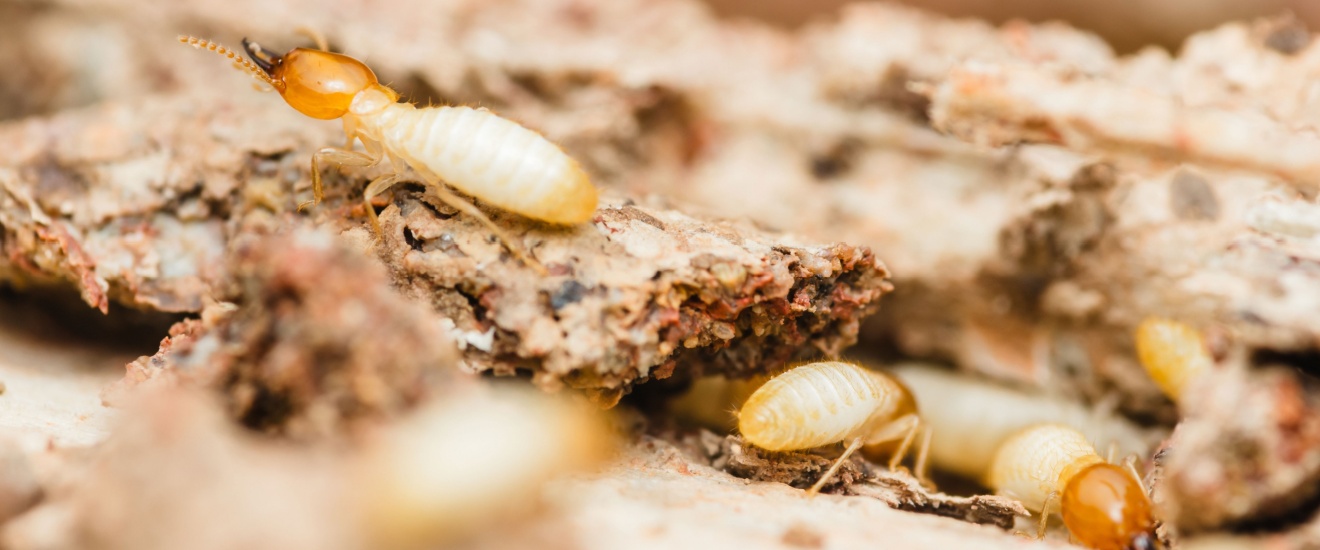
Subterranean termites are the primary species found in Bloomington. They live in underground colonies and travel through the soil to reach wood structures, entering homes through foundation cracks, expansion joints, utility penetrations, and any point where wood contacts or is near the ground. A single colony can contain hundreds of thousands of workers, and because they feed inside wood rather than on the surface, the damage they cause often goes undetected for months or even years.
Termite swarms—when winged reproductive termites emerge to start new colonies—are a common sight in Bloomington during the spring, particularly on warm days following rain. If you have ever noticed small winged insects emerging from the ground near your foundation or finding discarded wings on windowsills, there is a strong chance that termites are active in or near your home.
What Makes Bloomington Properties Vulnerable
Several characteristics of the Bloomington area contribute to the prevalence of termite problems:
- Moisture-retaining soils: The clay and loam soils common in the Bloomington area hold moisture well, which is essential for subterranean termite survival. Termites cannot survive without consistent access to moisture, and Bloomington’s soil provides exactly that.
- Consistent rainfall and humidity: Indiana receives adequate rainfall throughout the year to maintain the soil moisture levels termites depend on. Spring and summer bring the warmest and wettest conditions, which is when termite activity is highest and swarms are most likely to occur.
- Older homes and construction styles: Bloomington’s housing stock includes a significant number of older homes with basements, crawl spaces, and construction methods that predate modern termite prevention standards. These homes often have more potential entry points and less built-in protection than newer construction.
- Proximity to wooded and natural areas: Many Bloomington neighborhoods border wooded land, parks, and natural areas where termite colonies are well established in decaying wood and organic matter in the soil. Colonies that develop in these areas can extend their foraging range to nearby structures.
- Wood-to-ground contact: Wooden decks, porch supports, landscape timbers, and siding that touches the soil create direct pathways for termites to move from the ground into the structure. These are common features on Bloomington properties and represent some of the highest-risk entry points.
The Cost of Ignoring the Risk
Termite damage is one of the most expensive home repair issues a homeowner can face, and it is almost never covered by standard homeowner insurance policies. Because termites work slowly and out of sight, the damage they cause can accumulate significantly before anyone notices.
Repair costs for termite damage vary depending on the extent of the infestation and the structural elements involved, but in many cases, they reach thousands of dollars. Foundation framing, floor joists, sill plates, wall studs, and support beams are all common targets for subterranean termites. The longer an infestation goes undetected, the more extensive and costly the repairs become.
The most effective way to manage this risk is through prevention and early detection—not by waiting for visible signs of damage.
How to Protect Your Bloomington Home
There are steps every Bloomington homeowner should take to reduce the risk of termite problems:
- Schedule annual termite inspections with a qualified pest control provider
- Address moisture issues around the foundation, including grading, drainage, and gutter maintenance
- Eliminate wood-to-soil contact wherever possible—raise wooden structures off the ground and replace landscape timbers with non-wood alternatives
- Keep mulch at least 12 inches from the foundation, and avoid piling it against siding or structural wood
- Store firewood at least 20 feet from the house and off the ground
- Repair cracks in the foundation and seal gaps around utility penetrations
These measures reduce the conditions that attract termites, but they are not a substitute for professional monitoring and treatment. In an area like Bloomington where termite activity is this prevalent, professional protection is the most reliable safeguard.
Why Scott’s Termite & Pest Control Is the Right Partner
Scott’s Termite & Pest Control has been protecting Bloomington homes from termites for over 50 years. Termite control is a foundational part of what the company does—it is built into the name and backed by decades of hands-on experience treating properties throughout the Bloomington area.
Scott’s offers thorough termite inspections, proven treatment methods including liquid soil treatments and baiting systems, and ongoing monitoring programs designed to keep homes protected year after year. As a family-owned, local company, Scott’s provides the kind of direct communication and personalized service that homeowners need when it comes to something as important as termite protection.
If you are wondering whether your Bloomington home is at risk for termites, the answer is almost certainly yes. Contact Scott’s Termite & Pest Control to schedule a termite inspection and take the first step toward making sure your home is protected.