

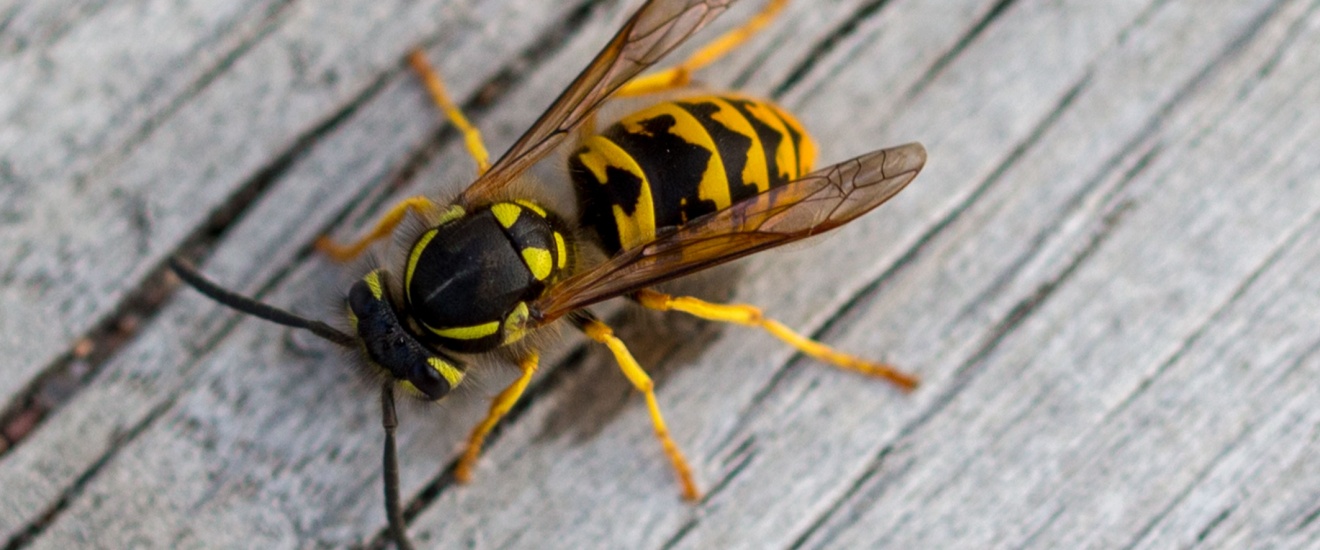
Every year, Bloomington residents face a stretch of summer that’s more than just hot and humid—it’s the most dangerous time for wasp stings. As colonies reach their peak size and food sources dwindle, wasps become territorial and unpredictable, turning backyards, playgrounds, and patios into high‑risk zones. This seasonal surge isn’t random; it follows a clear pattern that makes late summer the period when wasps are most aggressive and most likely to sting.
Late July Through September: Colonies at Full Strength
By midsummer, wasp colonies in Bloomington have reached their maximum size, often numbering thousands of workers. At this stage, nests are no longer small, hidden structures but large, established colonies that require constant defense. Even minor vibrations from mowing the lawn, trimming shrubs, or opening a shed door can trigger aggressive swarming. Because wasps can sting multiple times, a single encounter during this period can quickly escalate into a dangerous situation. Families enjoying outdoor spaces are at the highest risk, especially when nests are tucked into rooflines, decks, or attic corners where activity may go unnoticed until it’s too late.
The sheer size of these colonies also means that wasps are more visible and active throughout neighborhoods. They patrol gardens, hover near garbage bins, and investigate outdoor dining areas in search of food. Bloomington homeowners often report sudden increases in wasp sightings during late July and August, which coincides with the colony’s peak population. This is the time when vigilance matters most—spotting and addressing nests early can prevent painful stings and reduce the chance of colonies expanding further into residential spaces.
Hot, Humid Afternoons: Foraging Frenzy
Bloomington’s humid summer afternoons create ideal conditions for wasps to forage aggressively. Rising temperatures push them to seek food sources with greater urgency, and human activity often provides exactly what they’re looking for. Sweet drinks, fruit scraps, and even pet food left outdoors can attract swarms of hungry workers. Because wasps are highly territorial, they don’t just forage passively—they defend these food sources, which increases the likelihood of stings when people unknowingly get too close.
This foraging frenzy also overlaps with peak outdoor activity for residents. Cookouts, pool parties, and playground visits often occur during the hottest part of the day, putting families directly in the path of heightened wasp activity. Encounters are not limited to obvious food sources; wasps may investigate open trash bins, compost piles, or even damp areas where they can gather moisture. The combination of human routines and wasp foraging patterns makes humid afternoons one of the most dangerous times to be outdoors without proper precautions.
End of Summer: Desperation Sets In
As August fades into September, natural food sources begin to decline. Flowers die back, insect prey becomes scarcer, and wasps grow increasingly desperate. This scarcity drives them to hover around outdoor gatherings, investigate picnic tables, and even enter homes through open doors or windows. Their behavior becomes unpredictable, and stings may occur with little provocation. For Bloomington families, this late‑season desperation often coincides with back‑to‑school events and outdoor festivals, making public spaces particularly vulnerable to wasp encounters.
The decline in resources also changes the colony’s internal dynamics. Worker wasps, once focused on feeding larvae, now shift their attention to protecting the queen and scavenging for anything edible. This transition amplifies their aggression, as they are more likely to sting defensively when competing for limited food. Residents often notice wasps clustering around soda cans, fruit bowls, or even hummingbird feeders during this time. Without intervention, these desperate colonies can linger well into early fall, extending the danger period and making professional pest control essential for long-term safety.
Staying Safe During Peak Wasp Season
Staying safe during Bloomington’s peak wasp season begins with awareness and preparation. Homeowners should regularly inspect outdoor structures such as decks, sheds, and rooflines before summer activity reaches its height. Hidden nests often go unnoticed until colonies are fully established, and by then, the risk of stings is much greater. Covering food and drinks during outdoor gatherings is equally important, as sugary items and leftovers are irresistible to foraging wasps. By limiting attractants and spotting nests early, families can enjoy their outdoor spaces with fewer unwanted visitors and less risk of painful encounters.
Protective habits also make a difference. Wearing shoes in grassy areas helps prevent accidental contact with ground nests, which are common but often overlooked. Children playing outside are particularly vulnerable, making footwear and awareness essential during summer months. Scheduling preventative pest control services before colonies reach full strength is another effective strategy. Professional inspections can identify nests in hard‑to‑see areas and stop infestations before they spread. These steps, taken together, create a safer environment for families and reduce the likelihood of painful stings during the most dangerous time of year.
Finally, long-term protection comes from partnering with a trusted local pest control company. At Scott’s Termite & Pest Control, we’ve spent over 50 years helping Bloomington residents navigate seasonal pest pressures. Our team understands when wasps are most dangerous and provides tailored solutions to keep properties safe. Whether it’s removing a nest tucked under your roofline or preventing colonies from returning, we deliver dependable service backed by local expertise.
Don’t wait until peak season puts your family at risk—reach out to Scott’s Termite & Pest Control today to schedule your wasp control service.