

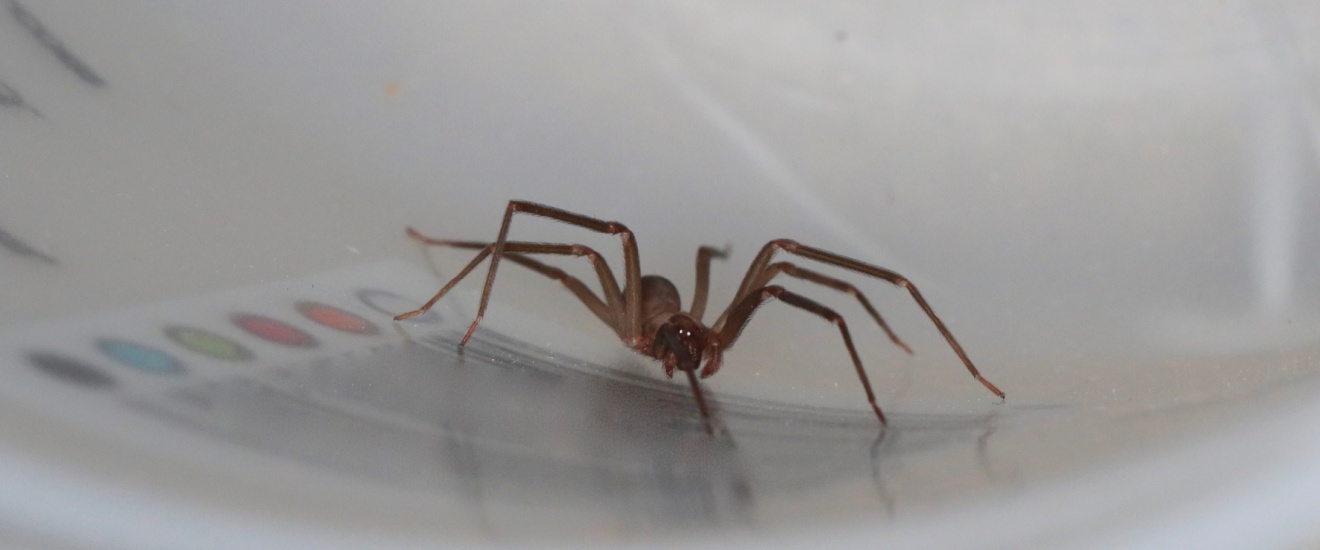
Spiders are one of the most common household pests in Bloomington, and while most species are harmless, their presence inside a home is rarely welcome. For homeowners dealing with recurring spider problems—or concerns about potentially dangerous species—professional spider control offers a level of protection that DIY methods simply cannot provide. If you are looking for the top pest control company for spider control in Bloomington, IN, it is important to understand what drives spider activity and what an effective treatment program actually involves.
Why Spiders Are So Common in Bloomington Homes
Spiders go where their food is. If your home has insects—and most homes do to some degree—spiders will follow. Bloomington’s climate, with warm humid summers and cool winters, drives insects indoors at various points throughout the year. Spiders take advantage of that, setting up webs and hunting grounds wherever insect activity is highest.
The most common spiders Bloomington homeowners encounter include:
- Common house spiders: The species responsible for most of the cobwebs found in corners, basements, garages, and window frames. They are harmless but persistent.
- Wolf spiders: Ground-dwelling spiders that do not build webs. They are larger and faster than most house spiders, which makes encounters unsettling, though they are not considered dangerous.
- Brown recluse spiders: One of the few medically significant spiders found in Indiana. Brown recluses prefer dark, undisturbed areas such as closets, storage boxes, attics, and basements. Their bite can cause serious tissue damage and requires medical attention.
The presence of brown recluse spiders in southern and central Indiana is one of the main reasons Bloomington homeowners should take spider control seriously rather than treating it as a cosmetic issue.
What Professional Spider Control Involves
Effective spider control is not just about killing the spiders you can see. It requires addressing the conditions that attract them in the first place. A thorough spider control program should include:
- Inspection and identification: Knowing which species are present determines the treatment approach. Brown recluse spiders, for example, require different strategies than common house spiders. A qualified technician will inspect the home to identify species, locate harborage areas, and assess the level of activity.
- Insect reduction: Because spiders are predators that follow their food source, reducing the overall insect population inside and around the home is one of the most effective ways to reduce spider activity. Perimeter treatments, crack and crevice applications, and addressing entry points all contribute to lowering the insect population that sustains spiders.
- Direct treatment of harborage areas: Basements, attics, crawl spaces, garages, closets, and storage areas are common spider harborage zones. Targeted applications in these areas disrupt established populations and discourage new spiders from settling in.
- Exterior treatment: Treating the perimeter of the home, around windows and doors, along the foundation, and near outdoor lighting (which attracts insects and, by extension, spiders) creates a barrier that reduces the number of spiders entering the home.
- Ongoing prevention: Spider control is most effective as part of a recurring pest management plan rather than a one-time treatment. Regular service visits keep insect populations low and address new spider activity before it becomes established.
Why Scott’s Termite & Pest Control Is the Top Choice
Scott’s Termite & Pest Control has been protecting Bloomington homes for over 50 years, and spider control is a regular part of the work the team handles throughout the year. That experience is especially valuable when it comes to identifying and treating brown recluse activity, which requires a more careful and targeted approach than general spider control.
As a family-owned, local company, Scott’s provides the kind of detailed, property-specific service that makes a difference with spider problems. Rather than applying a generic treatment and moving on, Scott’s technicians inspect the home, identify the species involved, and develop a plan that addresses both the spiders and the insect activity that attracts them.
Working with a local team also means faster response times, direct communication, and a provider that is familiar with the types of homes and construction common in the Bloomington area. Older homes with basements, crawl spaces, and multiple entry points present different challenges than newer construction, and a company with decades of local experience understands those differences.
Steps Homeowners Can Take to Reduce Spider Activity
In addition to professional treatment, there are several things Bloomington homeowners can do to make their homes less inviting to spiders:
- Reduce clutter in basements, attics, garages, and closets where spiders tend to hide
- Seal cracks and gaps around windows, doors, foundations, and utility entry points
- Replace outdoor lighting with yellow or sodium vapor bulbs, which attract fewer insects
- Remove webs when they appear to discourage spiders from re-establishing in the same area
- Keep storage items in sealed plastic bins rather than cardboard boxes, which provide harborage for spiders and insects alike
- Address moisture issues in basements and crawl spaces, as damp environments attract both insects and spiders
These habits complement professional treatment and help maintain a lower level of spider activity between service visits.
Finding Spider Control in Bloomington
The top pest control company for spider control in Bloomington is one that understands the connection between insect activity and spider populations, identifies the species present in the home, and builds a treatment plan around the specific conditions on the property. A local company with decades of experience and a commitment to thorough, recurring service is going to deliver the most consistent results.
If spiders have become a persistent issue in your home, contact Scott’s Termite & Pest Control to schedule an inspection and find out what a targeted spider control plan looks like for your property.