

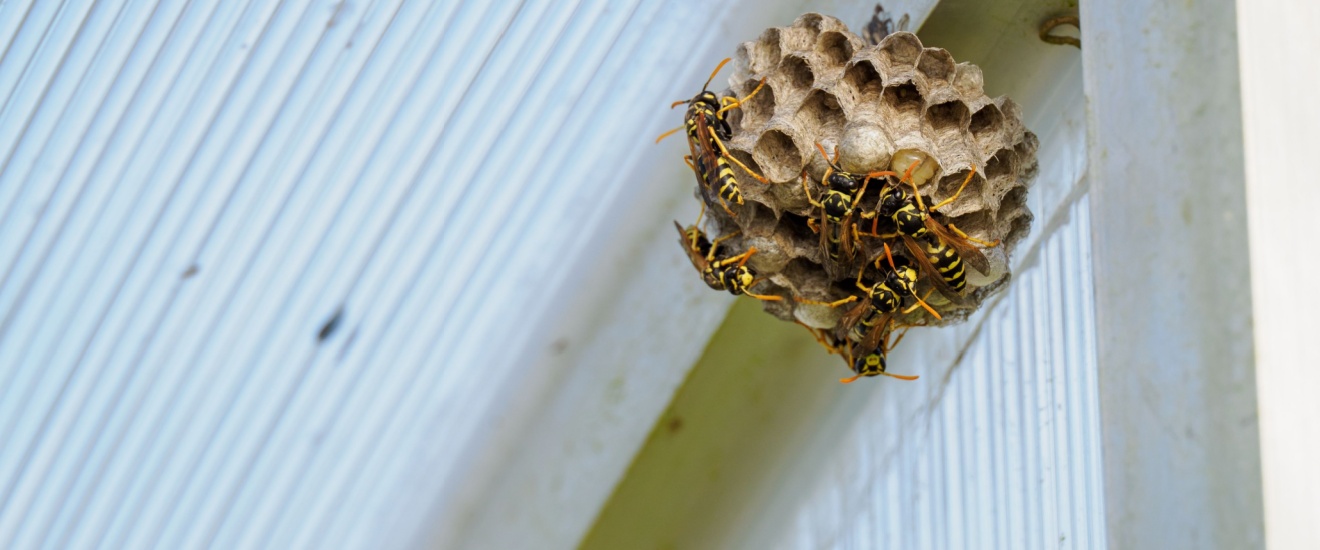
Late summer in Bloomington often brings a surge of wasp activity, and homeowners notice nests appearing in places they hadn’t seen earlier in the year. Looking closely at the factors that drive wasp behavior in late summer reveals why Bloomington homes become such attractive nesting sites—and highlights practical steps homeowners can take to reduce the risk. If you’ve already spotted signs of a colony, professional wasp nest removal in Bloomington, IN ensures the problem is handled quickly and safely.
Heat-Stressed Lawns Create Hidden Havens
As Bloomington lawns dry out under the late-summer sun, patches of grass thin, and soil begins to crack. These stressed areas often retain small pockets of shade and moisture, especially near foundations, under shrubs, or along fence lines. Wasps are drawn to these micro-environments because they provide cooler, protected spaces where colonies can thrive away from direct exposure. What looks like a neglected corner of the yard to a homeowner can quickly become a nesting site for a growing wasp population.
Dry lawns also change how people use their yards. Homeowners tend to avoid brittle patches of grass, leaving them undisturbed for weeks at a time. Wasps exploit this lack of interference, building nests in places where people rarely walk or mow. The combination of heat stress, hidden moisture, and reduced foot traffic makes late-summer lawns an ideal habitat for wasps seeking stability before cooler weather arrives. In many cases, nests remain unnoticed until activity increases, which makes these overlooked lawn areas one of the most deceptive risks for Bloomington homeowners.
Backyard Entertaining Becomes a Buffet
Bloomington families love to enjoy the outdoors in late summer, with barbecues, patio dinners, and kids’ snacks often left outside. These gatherings unintentionally provide wasps with a steady supply of food. Sugary drinks, fruit scraps, and protein-rich leftovers are irresistible to wasps, who forage aggressively to sustain their colonies. A single uncovered soda can or plate of grilled meat can attract dozens of wasps in minutes, turning a family gathering into a feeding ground.
The problem intensifies because wasps are highly territorial during late summer. Once they discover a reliable food source, they return repeatedly and recruit more workers to join. This cycle means that a single weekend cookout can establish your yard as a preferred feeding zone. Over time, the presence of consistent food encourages wasps to build nests nearby, ensuring easy access to meals without traveling far. For homeowners, this means that outdoor entertaining without proper cleanup can unintentionally transform patios and decks into long-term nesting sites.
Aging Wood Structures Offer Building Materials
Paper wasps rely on fibers scraped from untreated wood to construct their nests. Bloomington neighborhoods with older fences, decks, and siding provide an abundant supply of this material. As wood weathers under the summer sun, it becomes easier for wasps to strip away fibers, which they mix with saliva to create the papery walls of their colonies. This process is repeated daily, making aging wood a renewable resource for wasp construction.
This behavior explains why nests often appear near wooden structures. Wasps prefer to build close to their source of materials, reducing the effort needed to maintain the colony. For homeowners, this means that neglected or aging wood around the property isn’t just an aesthetic issue—it’s a direct invitation for wasps to settle in and expand. Over time, untreated wood can support multiple colonies, especially if fences or decks provide both building material and sheltered corners for attachment.
Gardens in Full Bloom Keep Wasps Active
Late summer gardens in Bloomington are often at their peak, with flowers still blooming, vegetables ripening, and fruit trees dropping produce. This abundance creates a perfect storm of attraction for wasps. Nectar from flowers provides quick energy, while fallen fruit offers sugar-rich meals that sustain colonies. Dense foliage also creates shaded, hidden areas where wasps can safely build nests without being disturbed. For homeowners, this means that the very spaces designed to beautify the yard or provide food can double as magnets for wasp activity.
The cycle of attraction doesn’t stop there. As plants continue producing nectar and fruit, wasps return daily, reinforcing their presence in the yard. The consistency of these food sources encourages colonies to establish nests nearby, reducing the distance workers must travel to feed. Over time, this reliable supply of nutrition makes gardens one of the most common late-summer hotspots for wasp nesting, especially when combined with the shelter provided by thick vegetation.
Quiet Utility Spaces Invite Expansion
Utility areas such as crawl spaces, meter boxes, and sheds are often overlooked during routine home maintenance. These spaces are low-traffic zones, meaning wasps can build colonies without interference. The lack of human activity allows nests to grow larger and stronger before being noticed. By the time homeowners discover them, colonies may already be mature, making removal more dangerous and complicated.
These areas also provide structural advantages. Utility boxes and shed corners offer firm surfaces for nest attachment, while crawl spaces provide insulation from weather changes. Because these spaces are rarely inspected, wasps can expand colonies undisturbed, turning what should be functional storage or utility zones into hidden breeding grounds. For Bloomington homeowners, this makes regular inspections of seldom-used areas critical to preventing late-summer infestations.
Late-Summer Insect Populations Provide Protein
Bloomington’s warm evenings bring out a surge of insect activity, including flies, caterpillars, and other small pests. Wasps are natural predators, hunting these insects to provide protein for their colonies. Protein is essential for feeding larvae and supporting the queen as she prepares for the next generation. This seasonal boom in insect populations ensures wasps have a steady supply of nutrition, encouraging them to nest close to these hunting grounds.
The presence of abundant prey also changes wasp behavior. Colonies become more aggressive in defending their territory, since protein is vital for survival. Homeowners may notice wasps patrolling gardens, patios, or outdoor lights where insects gather. This predatory activity not only sustains colonies but also reinforces the decision to build nests nearby, making Bloomington homes prime real estate for wasps during late summer.
Rooflines and Eaves Offer Elevated Safety
High, sheltered spots like rooflines and eaves provide wasps with protection from predators and weather. Elevated nests are harder for homeowners to spot until colonies are well established, which makes them particularly appealing. These areas also offer structural support, allowing colonies to grow larger and stronger without risk of collapse.
For wasps, building high above the ground reduces the chance of disturbance. Elevated nests are less likely to be knocked down accidentally and are harder for predators to reach. This combination of safety and stability makes rooflines and eaves one of the most attractive nesting sites around Bloomington homes. Homeowners often don’t notice the activity until wasps begin flying in and out regularly, by which point the colony is already thriving.
Seasonal Shifts Push Wasps Toward Homes
As natural nesting sites in fields and wooded areas dry out during late summer, wasps migrate closer to residential properties. Bloomington homes become the fallback option when wild habitats lose moisture and cover. This shift increases the likelihood of nests forming near human activity, as wasps adapt quickly to suburban environments.
Man-made structures provide the shelter and stability that natural habitats lack during this season. Eaves, sheds, and fences mimic the protective qualities of trees and shrubs, while food sources like trash bins and gardens replace what’s lost in the wild. This migration pattern explains why wasp activity spikes around homes in late summer, making residential areas the preferred nesting grounds when natural options decline.
Preventing Late-Summer Nesting
Homeowners can reduce the risk of wasp infestations by tackling the conditions that attract them. Practical steps include:
- Seal outdoor trash securely: Use bins with tight-fitting lids and avoid leaving bags exposed. Wasps are drawn to food scraps and sugary waste, so keeping trash contained removes one of their easiest food sources.
- Clean up spills and leftovers promptly: Wipe down patio tables, rinse drink cans, and store food indoors after gatherings. Even small traces of sugar or grease can attract foraging wasps and encourage them to return.
- Inspect rooflines, sheds, and fences regularly: Look for early signs of nest construction such as small papery combs or clusters of wasps. Catching nests at the beginning stages makes removal safer and prevents colonies from expanding.
- Trim dense foliage and remove fallen fruit: Thick vegetation provides shelter, while dropped fruit offers sugar-rich meals. Keeping gardens tidy reduces both cover and food, making yards less appealing to wasps.
- Check utility spaces and hidden corners: Crawl spaces, meter boxes, and storage sheds are low-traffic areas where colonies thrive unnoticed. A quick inspection every few weeks can stop nests from becoming established.
These measures make a meaningful difference, but wasps are persistent and can quickly rebuild if not handled properly. For lasting protection, Bloomington families trust Scott’s Termite & Pest Control. Our team provides thorough inspections, identifies high-risk areas, and develops customized plans to safeguard your property.
Reach out to us today to schedule your thorough home inspection and stop wasps before they settle in.