

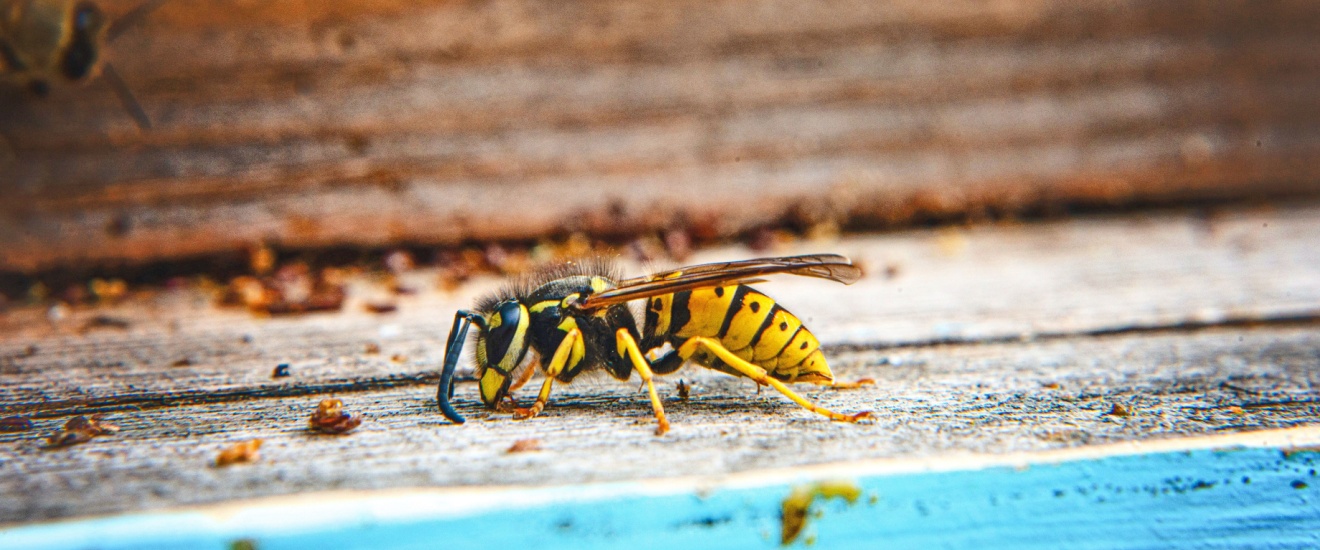
Bloomington summers are full of energy—families grilling in backyards, neighbors gathering at parks, and music carrying through outdoor festivals. But while these moments are meant to be carefree, one pest often changes the mood: the yellowjacket. Their presence isn’t just annoying; it can quickly turn dangerous when they become aggressive. This behavior isn’t random—it’s tied to food competition, colony dynamics, and seasonal stressors that make them more confrontational during outdoor gatherings. By understanding the reasons behind their hostility, residents can better protect themselves and keep summer events enjoyable.
Food Competition Intensifies
Yellowjackets are highly opportunistic foragers, and their diet shifts dramatically as the season progresses. In spring, they primarily hunt insects to provide protein for their growing colonies. By midsummer, however, their appetite turns toward sugary foods, which makes outdoor gatherings especially appealing. Soda cans, fruit platters, and barbecue sauces become irresistible targets, drawing them closer to human activity. Once they find these food sources, they rarely leave until the supply is gone.
The problem escalates because yellowjackets use pheromones to communicate with their colony. When one discovers a food source, it signals others to join in. This chemical messaging can transform a single curious insect into dozens swarming around a picnic table in minutes. The crowded feeding environment creates tension, and yellowjackets begin to fight for dominance, often lashing out at people who unknowingly get too close.
For Bloomington residents, this means even small amounts of uncovered food can trigger aggressive behavior. Their instinct to defend food resources makes them bold, and they won’t hesitate to sting if they feel challenged while feeding. This competitive drive is one of the most common reasons they become hostile at cookouts, especially when sugary drinks and grilled meats are abundant.
Colony Size Peaks
By late summer, yellowjacket colonies reach their maximum population, often numbering in the thousands. With so many workers searching for food, the chances of human encounters rise dramatically. Each worker is tasked with finding nourishment, and the sheer volume of activity increases the likelihood of aggressive interactions. This surge in numbers alone makes yellowjackets more visible and more confrontational.
Large colonies also create a heightened sense of defense. The more individuals there are, the stronger the colony’s instinct to protect itself. Yellowjackets are social insects, and their collective behavior means that one sting can quickly escalate into multiple stings as nearby workers join in. This swarm response is particularly dangerous during outdoor events where people may unknowingly disturb foraging groups.
In Bloomington’s neighborhoods and parks, this seasonal surge in colony size explains why yellowjackets seem more aggressive in August and September compared to early summer. Their numbers alone amplify the risk, making vigilance essential during peak season. For homeowners and event organizers, understanding this cycle is key to anticipating when yellowjackets will be most problematic.
Protective Instincts Around Nests
Yellowjackets are fiercely protective of their nests, which are often hidden underground, inside wall voids, or beneath decks. Outdoor gatherings frequently occur near these concealed sites, and guests may unknowingly wander too close. Even minor disturbances, such as vibrations from footsteps or lawn equipment, can trigger defensive swarming.
Unlike honeybees, yellowjackets can sting repeatedly without losing their stinger. This makes their defensive behavior particularly dangerous, as one insect can deliver multiple painful stings in seconds. When a nest is threatened, workers release alarm pheromones that mobilize others to attack, creating a rapid escalation of aggression. This coordinated defense is one of the reasons yellowjackets are considered more dangerous than other stinging insects.
For Bloomington homeowners, this means that nests located near patios or yards pose a serious risk during cookouts. The protective instinct of yellowjackets ensures that any perceived intrusion is met with hostility, making nest detection and removal critical before hosting outdoor events. Professional inspection is often the safest way to identify hidden nests before they become a hazard.
Attraction to Human Scents
Human scents play a surprising role in yellowjacket aggression. Perfumes, scented lotions, and even sweat can mimic floral or sugary cues that attract these insects. Once drawn in, yellowjackets may hover persistently, mistaking the scent for a food source. This attraction is subtle but powerful, often explaining why certain individuals seem to be “targeted” more than others at outdoor events.
This close contact often leads to accidental swatting or sudden movements, which yellowjackets interpret as threats. Their defensive response is immediate, and stings can occur even when the person had no intention of disturbing them. The combination of attraction and misinterpretation makes human scents a frequent trigger for aggressive encounters.
In Bloomington’s outdoor events, where people often wear sunscreen or fragrance, this factor becomes especially relevant. Avoiding strong scents can reduce the likelihood of drawing yellowjackets into close proximity, minimizing the risk of confrontation. It’s a simple precaution that can make a big difference during summer gatherings.
Disturbance from Noise and Movement
Outdoor gatherings are full of activity—music, laughter, clapping, and constant motion. These vibrations and sudden movements can unsettle yellowjackets, especially if they occur near feeding sites or nests. Loud noises mimic environmental threats, prompting defensive behavior.
Yellowjackets rely heavily on environmental cues to detect danger. When vibrations or rapid movements occur, they interpret them as potential attacks. This heightened sensitivity means that even routine actions, like waving hands or moving chairs, can provoke aggression if yellowjackets are nearby. Their instinctive response is to sting first and retreat later, making them unpredictable in noisy environments.
In Bloomington’s parks and backyards, the lively atmosphere of summer events inadvertently creates conditions that trigger yellowjacket hostility. Their instinctive response to disturbance explains why they seem more aggressive in crowded, noisy environments compared to quiet spaces. Event organizers should consider this when planning large gatherings, especially in areas known for yellowjacket activity.
Seasonal Stress on Colonies
As summer winds down, yellowjacket colonies begin to decline. Food sources become scarcer, and workers grow more desperate in their search for nourishment. This scarcity fuels aggression, as competition intensifies not only between colonies but also between yellowjackets and humans. Their survival instinct drives them to take risks they might avoid earlier in the season.
The stress of dwindling resources makes yellowjackets more reckless. They are quicker to approach food, less cautious around people, and more likely to sting when challenged. This desperation is particularly noticeable in late August and September, when colonies are at their largest but resources are shrinking. Their aggressive behavior is a direct reflection of the pressure to sustain the colony before winter.
For Bloomington residents, this seasonal stress explains why yellowjackets seem most aggressive toward the end of summer. Their survival instinct drives them to take risks, making outdoor events during this period especially vulnerable to unwanted encounters. Recognizing this seasonal pattern can help homeowners and event planners prepare for heightened activity.
Reducing Yellowjacket Risks at Outdoor Events
Here are some strategies Bloomington residents can use to keep yellowjackets from disrupting outdoor fun:
- Keep trash bins sealed and away from gathering areas—use tight‑fitting lids and place bins at least 20–30 feet from where guests are eating or gathering.
- Serve drinks in covered cups or cans—open soda cans and sweet beverages are prime attractants; lids or straws help reduce exposure.
- Clean up food spills quickly—even small drips of barbecue sauce or fruit juice can draw yellowjackets; wipe tables and dispose of scraps immediately.
- Avoid wearing strong floral perfumes outdoors—fragrances, scented lotions, and even certain deodorants can mimic nectar cues and lure yellowjackets closer.
- Inspect yards for nests before hosting events—check under decks, in shrubs, and along fence lines for hidden colonies that could pose a danger.
- Trim vegetation and maintain landscaping—overgrown shrubs and tall grass provide harborage sites; keeping them neat reduces nesting opportunities.
- Provide covered food stations—use mesh or screened covers for serving trays to keep insects from landing directly on food.
- Schedule professional pest control for recurring infestations—if yellowjackets return year after year, a customized treatment plan is the most reliable long-term solution.
The Key to Safer, Yellowjacket-Free Outdoor Gatherings
Outdoor events in Bloomington should be about food, laughter, and community—not the constant threat of stings. The key to keeping gatherings yellowjacket‑free lies in combining smart prevention with professional solutions. While steps like sealing trash bins, covering drinks, and inspecting yards help reduce risks, established colonies often require expert intervention to fully eliminate the problem.
Scott’s Termite & Pest Control has decades of experience protecting local families and neighborhoods from aggressive yellowjackets. Our team understands the seasonal patterns, nesting habits, and behaviors that make these pests so disruptive, and we tailor treatments to fit the unique needs of Indiana yards and outdoor spaces. By addressing both immediate infestations and long-term prevention, we ensure your cookouts and community events stay safe and enjoyable.
Contact us today to learn more about yellowjacket control in Bloomington and ensure your next cookout stays free from aggressive pests.